The Sowetan & Netflix Recreate SA’s Most Iconic Moments

The Sowetan, Together with Netflix, Celebrate The Entertainment Industry Icons of the Last 40 Years!
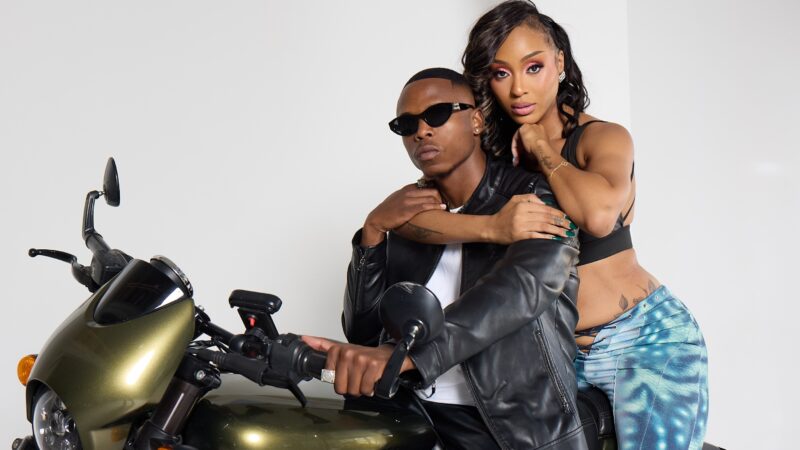
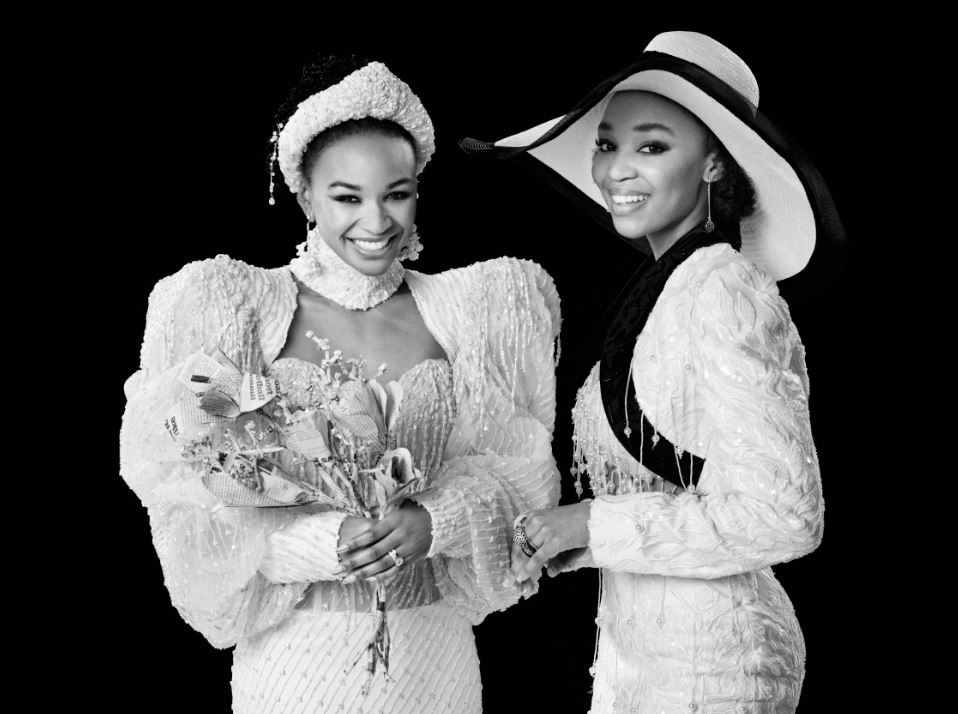
Staying strong as one of South Africa’s largest and longest existing newspapers, The Sowetan pulled a spectacle on the front cover of their morning paper today (18 June 2021) with an iconic recreated image featuring Netflix Originals “Blood & Water” actress, Khosi Ngema and JIVA! dancer and actress, Noxolo Dlamini.
As a newspaper for the voiceless in South Africa, the 40-year-old platform was offered an opportunity to collaborate with Netflix to recreate a series of iconic moments using the talent from the world’s biggest streaming site. The Sowetan has been there for all of Mzansi’s iconic and heartwarming successes and to celebrate this incredible milestone, The Sowetan and Netflix took a nostalgic trip down memory lane to celebrate the impact that the Sowetan has had on the entertainment industry over the last 40 years.
To bring this to life, The Sowetan and Netflix recreated iconic photographs from the last 40 years, highlighting the excellence and talent coming out of South Africa, using local Netflix talent from Blood & Water, How To Ruin Christmas: The Wedding and JIVA! amongst others.
Through this partnership, The Sowetan and Netflix hope to inspire young, up and coming South Africans to pursue their passions. “Storytelling is the obligation to the next generation” – creative director Asanda Sizani shared.
To recreate the periods within 1981 – 1991, the following talent and legends brought these years to life:
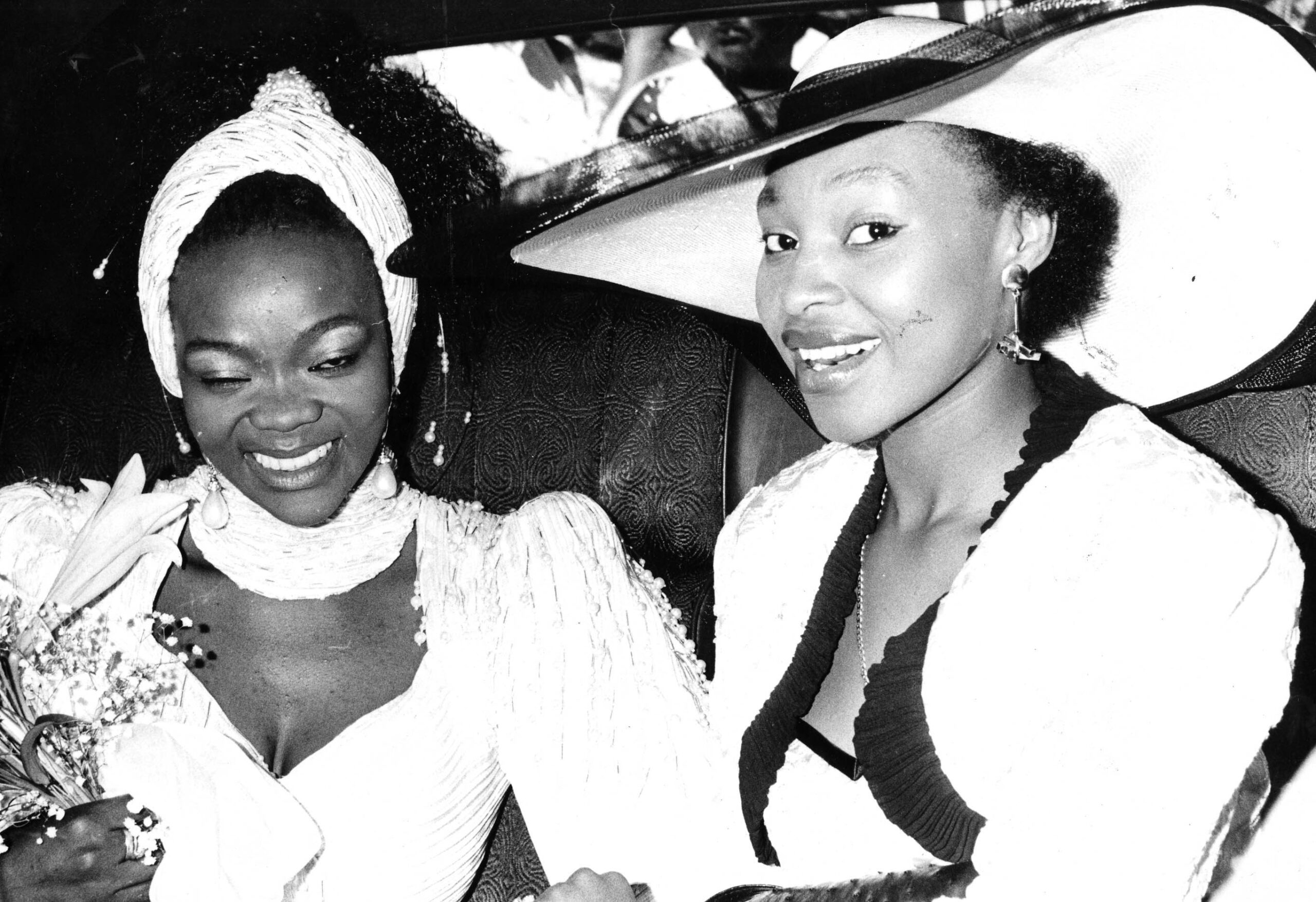
Brenda Fassie & Yvonne Chaka Chaka – Snapped by Mbuzeni Zulu on the occasion of Brenda’s blowout wedding to Nhlanhla Mbambo. The highlight of the glitzy 3-city wedding was the couple’s helicopter arrival at Durban’s Kwa-Mashu stadium to an 18,000 strong crowd. Yvonne Chaka Chaka, herself a hugely successful artist, stood as the matron of honor. Often pitted against one another by the media, the two were actually great friends, as reflected in the visual.


Johnny Clegg & Dudu Zulu – The late Clegg is widely revered as one of South Africa’s most prolific performing artists. In the late 1970’s, he co-founded the mbaqanga group Juluka with Sipho Mchunu. As a group equally fronted by a white and black man, it was a radical statment of defiance against the apartheid regime. Their unabashed embrace of Zulu traditional culture electrified the country, and they performed widely despite the frequent bans and censure they were subjected to. Clegg is pictured here with Dudu Mntowaziyo Ndlovu, who performed with Juluka – the original image was captured by Tladi Khule in 1984.

-
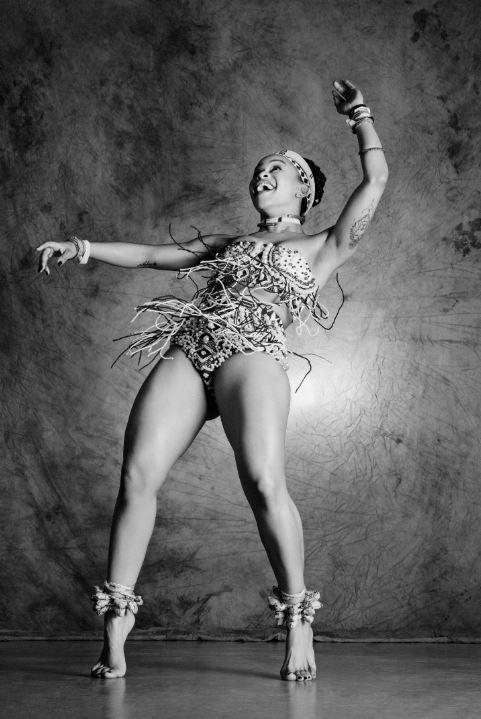
Thembi Nyandeni – In 1985, Thembi formed part of the percussion ensemble AMAMPONDO as a choreographer, vocalist and lead dancer. Here she is captured performing as part of ‘Amampondo’ production at the Rand Stadium (in a boxing tournament.) The original image was captured by Mbuzeni Zulu in 1985

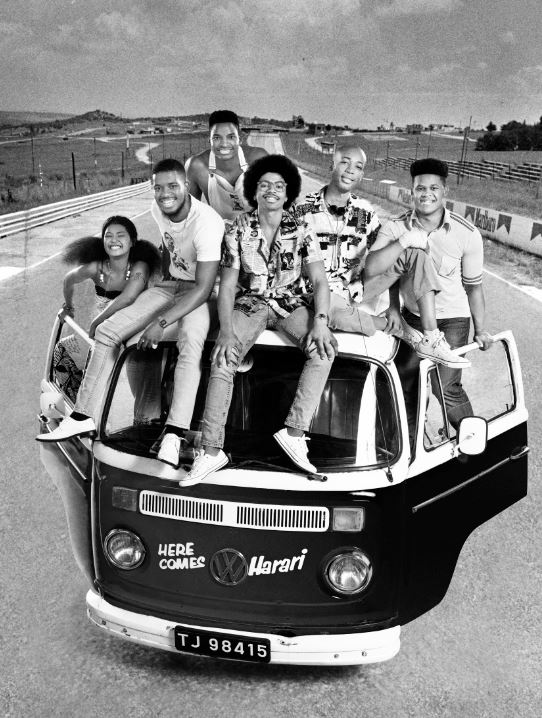
Harari – The Beaters changed their name to Harari during a tour through Rhodesia (now Zimbabwe) in 1976. The name is taken from a township outside Salisbury (which is now the capital, Harare). They were the first local black pop/rock band to appear on South African TV. Their label, Gallo, struck a two-album deal with the US A&M and their 1980 single, “Party”, which entered the American Disco Hot 100 in 1982. The original image was captured by David Sandison in 1981 which encapsulated a Pop-funk Harari, fronted by Sipho ‘Hotstix Mabuse.
After seeing it come to life, Nwabisa Makunga, Editor of The Sowetan said, “For forty years The Sowetan has captured the rhythm of South African entertainment. We have celebrated the lives and times of our most revered stars and we continue to tell the story of their evolution as they take on world stages. On this milestone anniversary year, we are proud and excited to partner with Netflix to take you down memory lane, to celebrate decades of exceptional talent and to showcase the future of South African arts”.